
← All guides · ⬇ Printable 2-PDF Master Bundle ($19)
Yoto vs Toniebox: Screen-Free Audio Players Compared
Yoto and Toniebox both play stories, songs and podcasts with no screen to watch, and kids choose what to hear on their own. Yoto uses slot-in cards and Toniebox uses figurines, and they differ on age range, nightlight features and travel size. Here's how to pick.
1–2 yrs2–3 yrs3–4 yrs4–6 yrs
What to Avoid
- Hand-me-down players or chargers with damaged cables or swollen batteries
- Leaving a player in the crib at night for babies under 1 (the AAP recommends a bare sleep space)
- Small figurines, cards or accessories left within reach of a baby who still mouths everything
- Adult earbuds with no volume limit for long listening sessions
- Assuming every add-on works with every model. Check compatibility before buying headphones, cases or content
Testing & Certifications to Look For
Age grading on the box (Toniebox 2 and Toniebox Lite: ages 1–12+ per tonies; Yoto Player and Yoto Mini: ages 3+ per Yoto)85 dB volume-limited kids' headphones for private listeningParental controls in the companion appCheck CPSC.gov/Recalls before buying secondhand
Our Picks
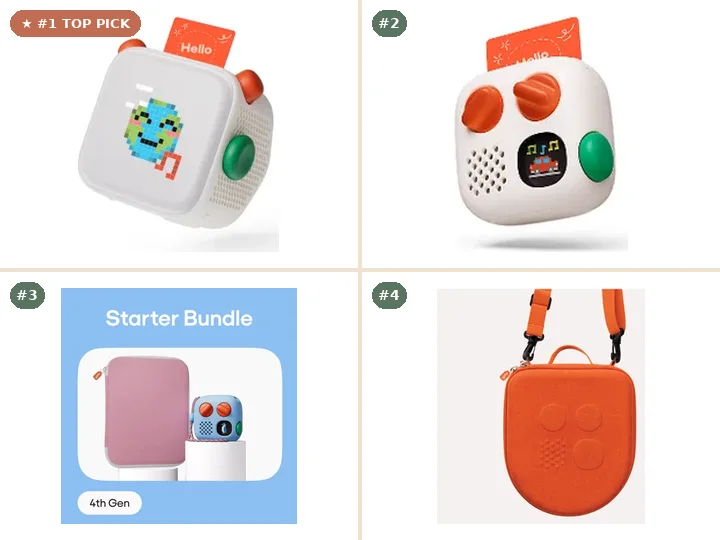
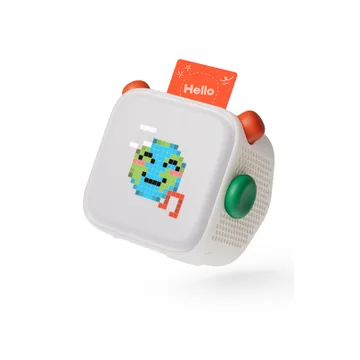
Yoto Card-Based Audio Players
Tablets and phones handed over for audiobooks
Kids push a card into the slot and the story starts. The Yoto Player 4th Gen adds a full-panel night light, an okay-to-wake light and clock, and up to 16 hours of battery, per Yoto. The smaller Yoto Mini 4th Gen is IP67 water- and dust-resistant and easier to pack for trips.
Yoto Player 4th Gen: 5W stereo speaker, 64GB storage, Wi-Fi 6, Bluetooth, headphone jack, USB-C and wireless charging; Yoto says Player and Mini suit ages 3+ (younger kids can listen with a grown-up handling the device)
Why we picked it: Cards are flat and easy for preschool hands to insert, and the built-in night light and wake clock let one device cover stories, wind-down and okay-to-wake, with no screen to watch.
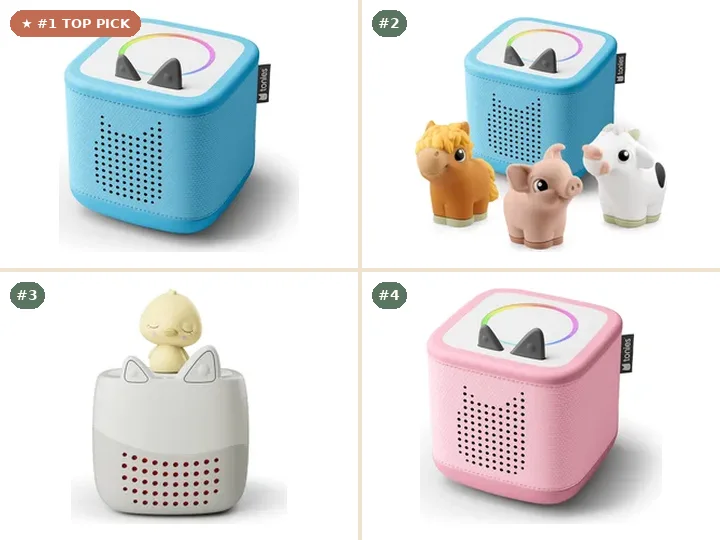
Toniebox 2 and Toniebox Lite Audio Players
Screen time for car rides and quiet play
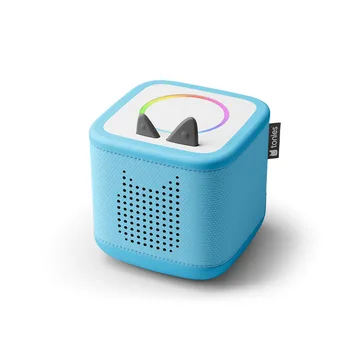
Kids set a Tonie figurine on top to play its story or songs, so even a young toddler can choose what to hear. tonies lists Toniebox 2 and Toniebox Lite for ages 1–12+, and Toniebox 2 adds a sleep timer with light, a sunrise alarm and optional Tonieplay games.
Toniebox 2: sleep timer with light, sunrise alarm, Bluetooth headphone support with tonies headphones, controls in the tonies app; Toniebox Lite: smaller, backpack-friendly, with a sleep timer; starter sets include a figurine
Why we picked it: A chunky box you control by squeezing the ears and tapping the sides is easy for toddlers to use on their own, and figurines give them a hands-on way to choose with no screen or ads.
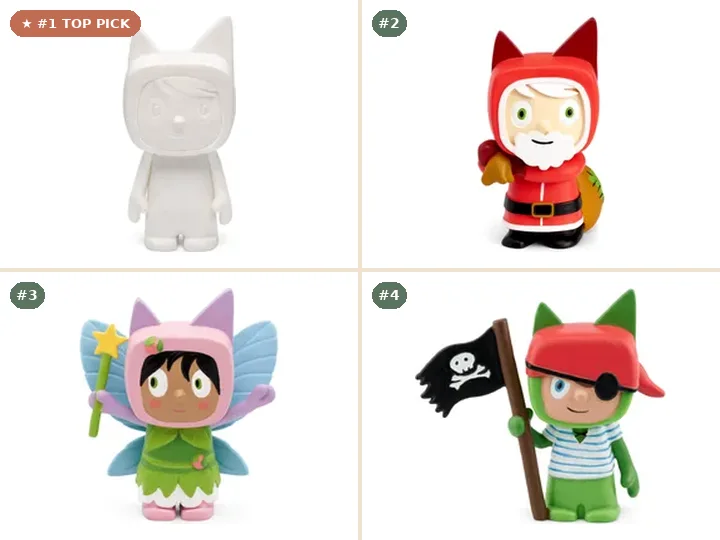
Record-Your-Own Story Tonies
Video calls as the only way to hear family read aloud
Creative Tonies hold your own recordings, so a parent, grandparent or faraway relative can record bedtime stories, songs or messages through the tonies app. Yoto's version is its Make Your Own cards.
Creative Tonies come in many characters, including a Santa design; record or upload audio in the tonies app; Yoto Make Your Own cards work the same way on Yoto players
Why we picked it: A familiar voice reading a favorite book is comforting at bedtime, and recording your own stories turns the player into a keepsake rather than just another content subscription.
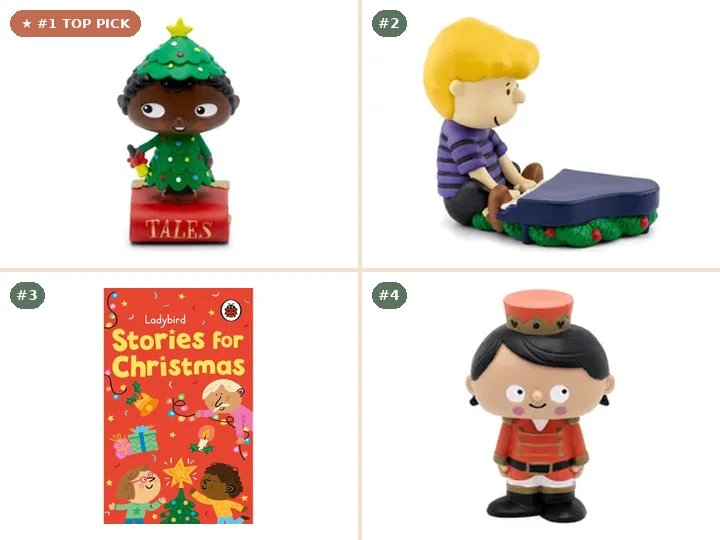
Christmas Stories for Yoto and Toniebox
Holiday movies on repeat
Seasonal audio makes car rides and quiet time feel festive without a screen. Options include Christmas Tales, A Charlie Brown Christmas and The Nutcracker on tonies, plus Ladybird Stories for Christmas on Yoto.
Tonies figurines play on Toniebox players; Yoto cards play on Yoto players. The two systems are not cross-compatible
Why we picked it: Holiday stories and music add seasonal fun to the quiet hours of December with no extra screen time. Check that each title matches your player, because tonies and Yoto content isn't interchangeable.
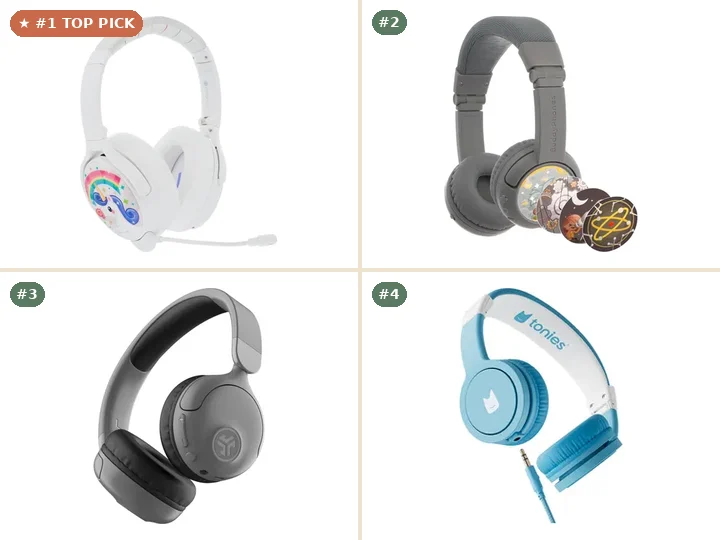
Kids Volume-Limited Headphones
Full-volume earbuds
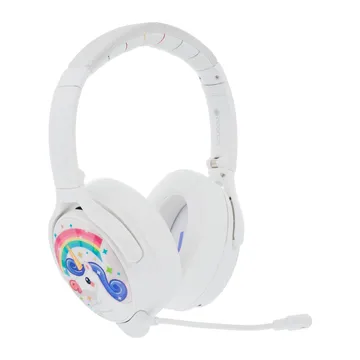
Kid-sized headphones let a child listen on a plane, in the car or next to a napping sibling. Tonies sells headphones made for Toniebox 2 and Toniebox Lite, and Yoto players have a headphone jack and Bluetooth.
Look for an 85 dB volume cap, a soft adjustable band and a cable or Bluetooth connection that matches your player
Why we picked it: An 85 dB cap is the widely used safe-listening limit for kids' headphones, so volume stays in a safer range even when a child turns the player all the way up.
FAQs
What's the difference between Yoto and Toniebox?
Both are screen-free audio players for kids. Yoto plays stories and music from cards you push into a slot, and the Yoto Player 4th Gen adds a night light and okay-to-wake clock. Toniebox plays content from figurines placed on top. Toniebox 2 adds a sleep timer with light, a sunrise alarm and optional Tonieplay games. The content isn't cross-compatible, so pick one system.
Which is better for a 1- or 2-year-old?
tonies lists Toniebox 2 and Toniebox Lite for ages 1–12+, and the squeeze-the-ears controls are made for small hands. Yoto says its Player and Mini suit ages 3+, though younger kids can listen while a grown-up handles the device. For a young toddler, the age labels favor Toniebox.
Do Yoto or Toniebox need Wi-Fi or a subscription?
Both use Wi-Fi and an app for setup and downloading content, and the content you buy is yours to keep. Neither player has a screen or ads. Each brand also sells optional extras, so check the current details on the brand's site before you buy.
How loud is too loud for kids' headphones?
An 85 dB volume cap is the widely used limit for kids' headphones. Both systems also let parents set volume limits in their apps. Whatever the setting, short listening sessions with breaks are easier on young ears than hours at a time.
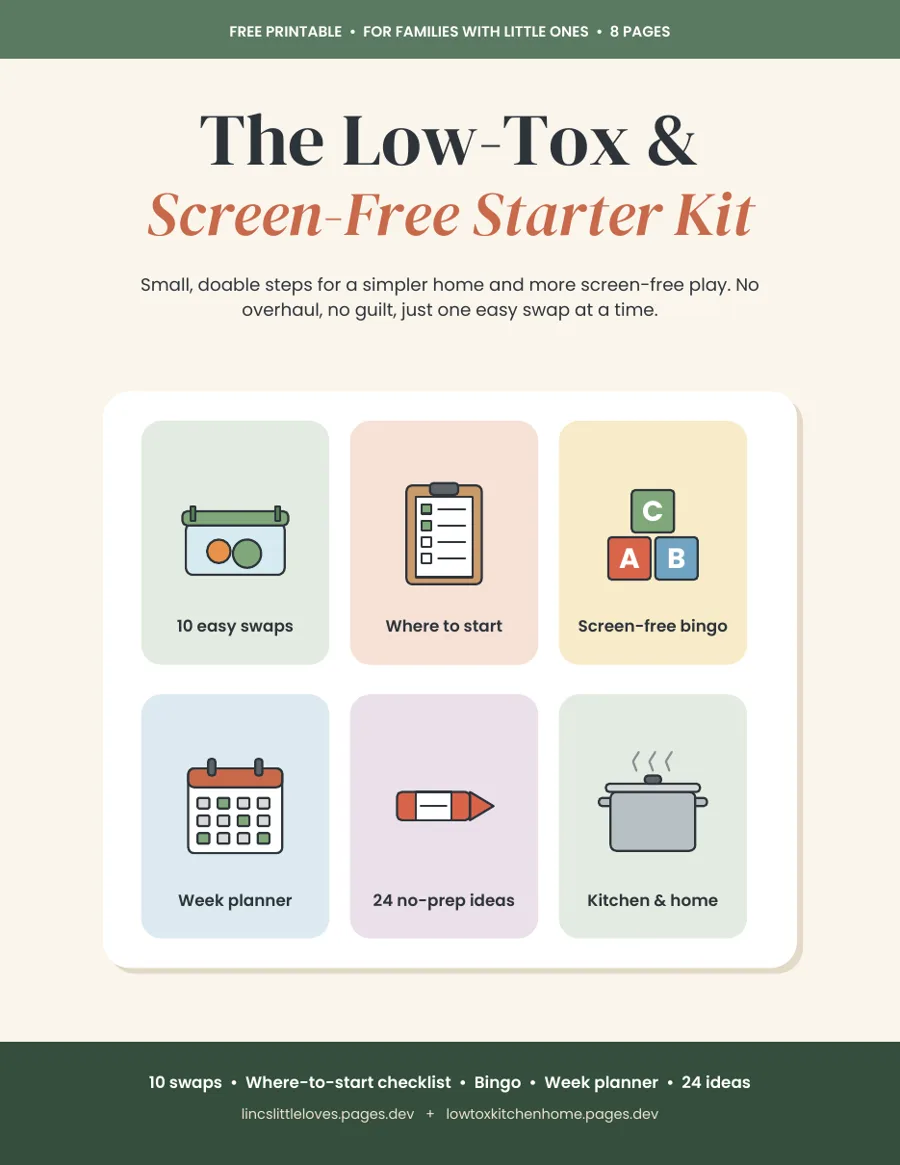
Get the free Low-Tox & Screen-Free Starter Kit
8 printable pages for parents of little ones: 10 easy lower-tox swaps, screen-free bingo, a week planner and a one-page “where to start” checklist. The download appears right here, and we’ll email you our free Nursery & Playroom Checklist plus 3 short emails over the next week, then one short email a week.